
Concrete Cutting
Do you need locates before cutting a driveway or slab-on-grade in Mississauga?
By CoreCut Demolition · Published September 28, 2026
- utility locates
- driveways
- Ontario One Call
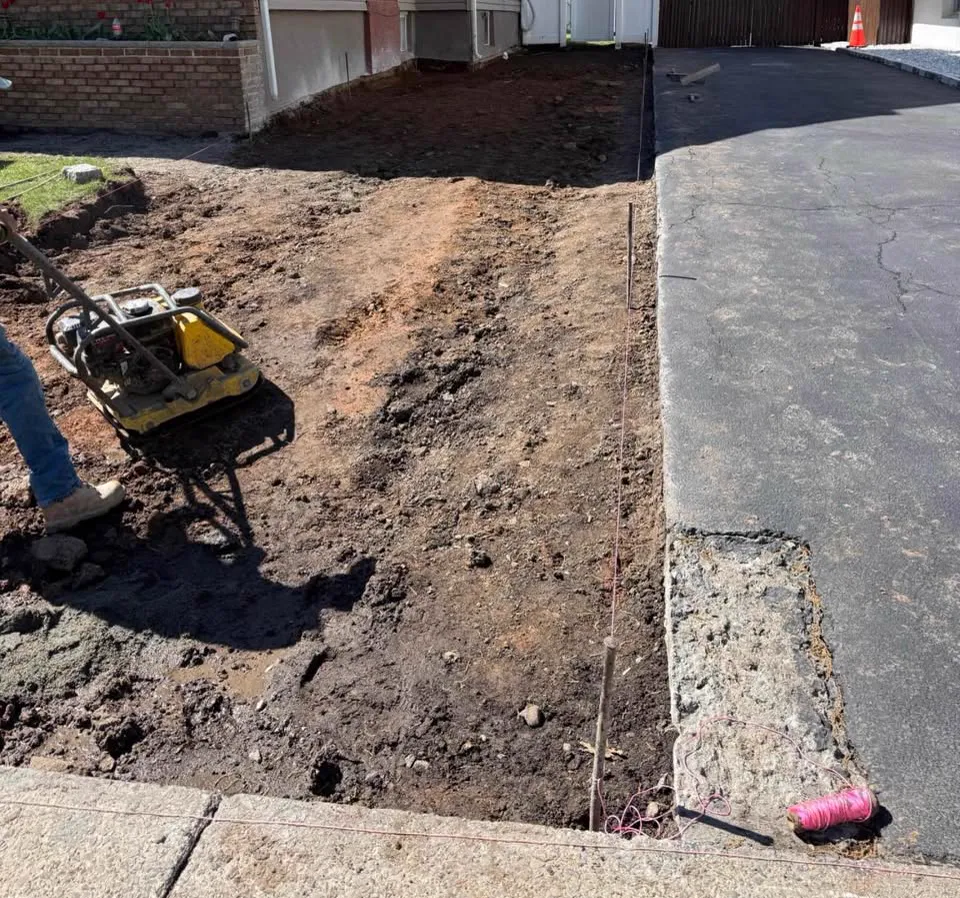
Yes, before outdoor cutting or breaking that disturbs the ground, the owner or contractor requests utility locates through Ontario One Call before the crew arrives. Indoor slabs also need a check for embedded services, even though a public ground locate is not a substitute for inspecting what is inside the floor.
A driveway can look like plain concrete while services pass under its edge or run along the route used for removal. Locates are part of choosing a safe cut line, not paperwork to collect after the saw is on site.
What public marks tell you
Ontario One Call connects a locate request with participating infrastructure owners. Markings can indicate gas, hydro, water and telecommunications lines that may be affected by the planned ground disturbance. The request must describe the actual work area so the responses match the intended cut and breakout zone.
The markings are information for planning; they are not permission to put a saw into a marked path. A crew checks the locate responses, visible surface marks and scope together before deciding where to work.
What may remain unmarked
Private services may not be covered by a public locate. Irrigation, pool plumbing and a private gas line to a garage or barbecue are examples that need their own investigation. A property owner should share records and mention any buried runs, even if the original installer is no longer available.
If a private line is suspected, a private locate or the appropriate trade may be needed. The absence of paint at the surface does not establish that a backyard or driveway is clear. A service can cross from a house to an accessory structure without appearing on municipal drawings.
Keep the locate information current
Locate responses are tied to the requested area and a period of validity. If the work moves, markings disappear or scheduling shifts beyond the applicable validity, the request may need to be updated. The crew needs readable marks and current responses for the work it is actually doing.
Do not rely on a locate prepared for another contractor's narrower excavation. The planned saw line, concrete breakout and any base removal should all be within the area described. A site walk lets the owner and cutter compare those boundaries before equipment arrives.
When a marked line crosses the job
A line across the proposed cut triggers a pause and a revised plan, not a deeper cut to get the job over with. The owner and relevant utility or trade determine the safe approach. The crew may adjust the sectioning or need a different method after the conflict is resolved.
The same caution applies to an indoor slab with embedded conduit or plumbing. A ground locate does not reveal what is cast into the floor; drawings, scanning or other assessment may be appropriate for the actual slab conditions.
How CoreCut books around locates
CoreCut Demolition Mississauga asks for the locate information before scheduling ground-disturbing driveway, walkway and patio removal. We review markings against the intended cut and discuss private services with the owner. If the needed information is missing or a line conflicts, cutting waits for clarification.
The concrete removal scope can then describe what stays and how the material leaves the property. Send us the proposed work area and any service records for a site visit; the locate request should reflect the full area, not only the visible crack or edge.
Frequently asked questions
Does Ontario One Call identify a backyard irrigation line?
Not necessarily. Irrigation is commonly a private service, as are some pool lines and runs installed for an accessory feature. The owner should identify these separately and arrange a private locate or appropriate trade review where needed. A public response does not certify that every pipe on private property has been found.
Do I need to revisit locates if the cut moves?
Yes, if the work area changes beyond what the original request covered, the location information should be checked and updated as needed. Marks can also be lost under weather, traffic or surface preparation. The cutter should work from current, readable information for the precise area being disturbed rather than relying on an old photograph.
What if a utility marking runs through the driveway panel?
The crew should not cut through the marked route as planned. The owner and relevant utility or qualified trade must establish what the line is and what approach is acceptable. The sectioning or removal sequence may change. Confirm the revised plan before booking equipment for the affected area.
Are public ground locates enough for a basement slab?
No. They address participating buried infrastructure, not every service embedded in a building floor. Basement cutting may need plumbing plans, visual checks, scanning or other investigation depending on the work. The person laying out the opening should tell the crew what is known about drains, conduit and other concealed items.
Primary planning references
Source links checked 6 October 2026. Confirm the requirements for your property and scope with the relevant authority and qualified professionals.