
Concrete Removal
Where does concrete rubble go in Peel Region?
- recycling
- concrete removal
- Peel Region
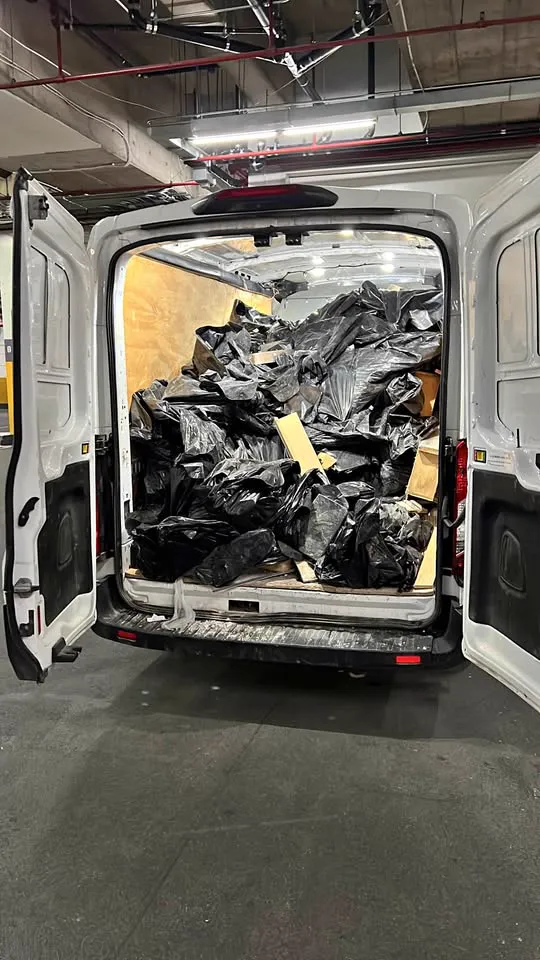
Most clean concrete rubble from Peel Region jobs goes to aggregate recyclers, where it is crushed and screened into granular material used as base under roads, driveways and slabs. Concrete mixed with other waste, or contaminated, goes to licensed transfer stations or disposal sites instead.
Where your rubble ends up depends on how clean it is, how much there is and who is hauling it. Here is how that works.
Check acceptance for the actual load
Before loading, compare the material list and transport arrangement with the receiving facility’s current requirements. Keep unknown or suspect material out of an assumed clean-concrete stream until its handling is resolved.
Peel’s CRC drop-off guidelines distinguish vehicle types and locations and specify supporting documents for contractors. Its construction-debris guidance also explains sorting and the exclusion from curbside collection. Links checked 8 October 2026; confirm the arrangement before dispatch.
- Identify concrete-only material separately from mixed debris and soil.
- Describe attached finishes, coatings and unidentified material honestly.
- Confirm the receiving location accepts this material with this vehicle and load.
- Prepare the required origin and contractor documents.
- Record the destination and request the available load receipt; do not promise a recycling percentage.
Clean concrete is a resource
Broken concrete that is free of wood, drywall, garbage and soil can be crushed into recycled aggregate. Recyclers across the GTA accept it, usually by the truckload, and the material they produce is reused on construction sites. Rebar is separated with magnets and goes for scrap.
Keeping concrete clean on site is what makes this possible. When rubble is mixed with drywall or insulation, it becomes mixed waste and loses that recycling option.
What counts as clean
Recyclers generally accept loads that are:
- Concrete, brick and block without significant attached material
- Free of wood, plastic, drywall and garbage
- Free of large amounts of soil
- Not painted or coated with anything hazardous
- Within the size limits the facility sets for its crusher
Check Peel's current drop-off eligibility
Peel's CRC guidelines require waste to originate in Peel and specify supporting documents for residents, small businesses and contractors. Contractors should review the signed contract or work-order requirement and the vehicle rules for the chosen site.
Acceptance depends on the material, vehicle and location. Do not assume that every CRC can receive the same load or that a contractor load follows household arrangements. Renovation and construction debris is not collected at the curb.
Bins, trucks and permits
Larger volumes leave the site in a dump truck, a trailer or a roll-off bin. Concrete is heavy, so bin companies often supply smaller bins or set weight limits for it. If a bin needs to sit on the road or boulevard rather than a driveway, the City of Mississauga usually requires a permit.
Soil dug up with the concrete is a separate matter. Ontario's excess soil rules govern where excavated soil can go, so soil and rubble should be kept apart.
Why illegal dumping is a real risk
Rubble dumped on vacant land or in ravines creates problems for everyone, and the property owner can be held responsible if a hired hauler dumps their material. Using a contractor who can tell you where the load is going protects you.
How to keep your own project's rubble recyclable
If you're planning a renovation that includes concrete, a little organisation on site makes a real difference. Set aside a spot for concrete and brick only, and keep drywall, wood and bagged garbage somewhere else. Knock off large pieces of attached tile or wood where you can. Keep excavated soil in its own pile. When the hauler arrives, the concrete can go straight to a recycler rather than being charged and handled as mixed waste, and you'll have a clearer idea of where each load ended up.
What we do about it
On our concrete removal jobs, CoreCut Demolition Mississauga keeps concrete separate from other debris so it can go to recyclers wherever that option exists. Mixed material from interior demolition is sorted where practical and the rest goes to licensed sites. We can tell you where your material went.
If you have a slab, pad or foundation to remove, get a free estimate and we will plan the haul-away with the job.
Frequently asked questions
Can I put broken concrete in my garbage?
No. Curbside collection does not accept concrete or rubble. Small amounts may be accepted at Peel's Community Recycling Centres under their current rules.
Is recycled concrete actually reused?
Yes. Crushed concrete is commonly used as granular base under driveways, roads and new slabs.
What happens to the rebar?
Recyclers separate rebar from crushed concrete and send it for scrap metal recycling.
Why keep soil separate from concrete?
Clean concrete can be recycled, while excavated soil falls under Ontario's excess soil rules. Mixing them limits where either can go.
Primary planning references
Source links checked 6 October 2026. Confirm the requirements for your property and scope with the relevant authority and qualified professionals.