
Scope and Handover
Take a useful pre-demolition condition record
- scope decisions
- project preparation
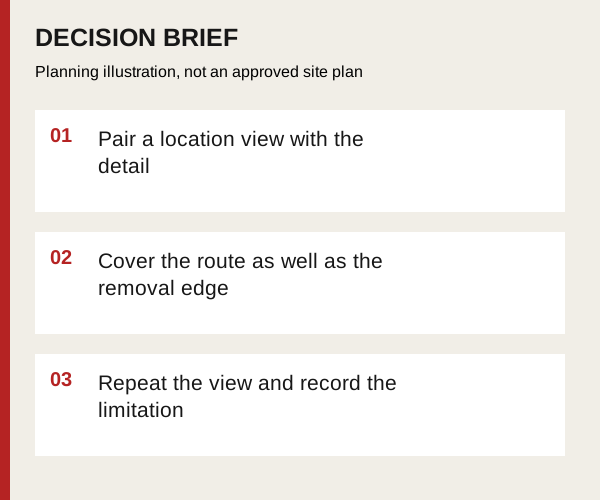
A pre-demolition condition record should let two people find the same surface again. It records what was visible before work, with enough context to avoid confusing an existing mark with a different location.
Pair a location view with the detail
Start with an overview identifying the room, wall or access route. Then take a closer image of the visible condition and label it with the same reference. A close-up of a crack without a location view is difficult to compare later. Include adjacent retained trim or another fixed feature to orient the image.
Record the date and the observer. Describe what is visible in neutral language: a mark, gap, stain or chipped edge. Photographs do not establish the cause, structural significance or age of a defect. Refer those questions to the appropriate professional rather than adding a diagnosis to the file name.
Cover the route as well as the removal edge
Retained doorways, stairs, floors and exterior loading areas may be used throughout the job. Agree which surfaces should be recorded before protection is installed. For attached buildings, the shared-wall guide explains why neighbouring conditions may also matter.
Obtain permission before entering or photographing someone else's space. Avoid faces, documents, computer screens, valuables and security details. Keep the working record with the project team; it is not material for a public gallery or a customer testimonial.
Repeat the view and record the limitation
At handover, use the same reference and approximate viewpoint where access permits. Note if a surface was concealed, inaccessible or already covered when the first record was made. An unphotographed area is not proof that it was undamaged.
Keep originals and a simple index so annotations do not replace the underlying images. If the parties disagree about a condition, record the observation and arrange the relevant review. The purpose is a usable shared record, not a promise that photographs alone settle responsibility.
Discuss this scope with CoreCut
For selective demolition, tell us what must be retained so the pre-work review can include those surfaces and the loading route.