
Concrete Removal
Removing a concrete driveway or patio in Mississauga: what is under it and what goes back.
By CoreCut Demolition · Published September 28, 2026
- driveways
- patios
- slab removal
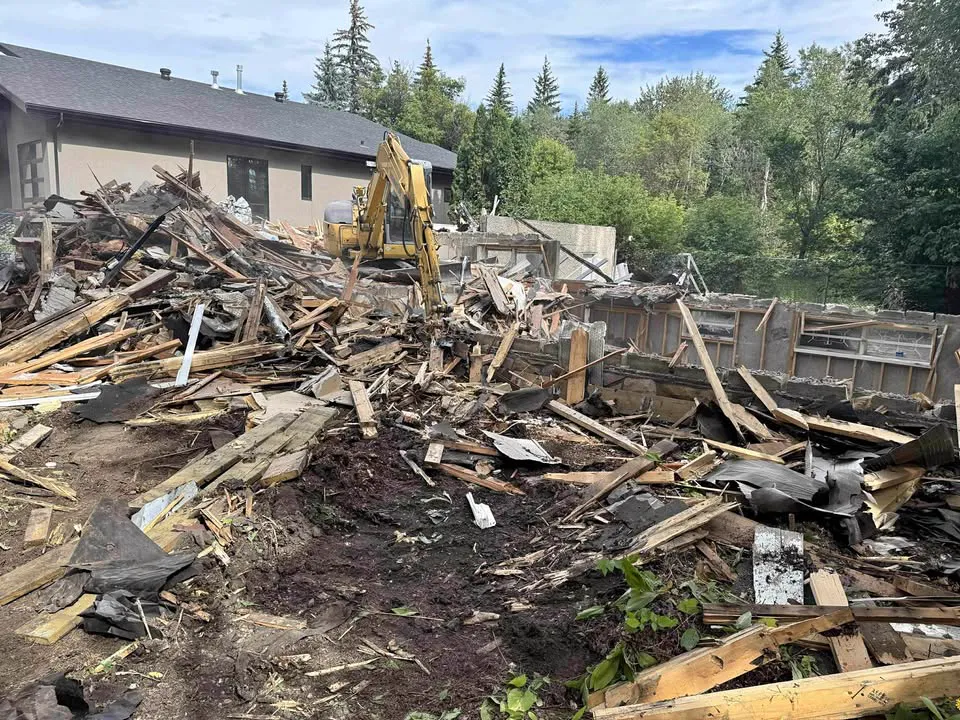
The old concrete is only the surface. What sits below it matters just as much to the person putting the new driveway or patio back.
Before breaking begins, decide where the removal ends, how utilities will be checked and who decides whether the underlying base can stay.
Locate first, then mark the limits
Exterior concrete can cover or cross buried services. Request Ontario One Call locates for the ground-disturbing work and identify private lines separately, including irrigation or a run to an accessory structure. The driveway and slab locate guide explains why a public response does not identify everything on private land.
Walk the whole work area with the owner. Mark the edges of concrete to be removed, the pieces to remain, access for equipment and the loading point. If a service marking conflicts with the proposed work, the line and removal plan need review before a saw or breaker approaches it. A cracked surface is not a reliable map of what is below.
Sawcut where the old surface must stay
The driveway may meet a garage apron, the City sidewalk or the neighbour's side. A defined sawcut at the agreed boundary helps keep fractures from running into those remaining surfaces. On a patio, the line may protect a foundation edge, a step or another slab that will not be replaced.
The boundary should be shown to the replacement contractor before it is cut. A neat line in the wrong place still leaves a difficult transition. The boulevard and City sidewalk are not touched without approval from the City of Mississauga. Where the owner is uncertain about the property edge, resolve it before marking the demolition limit.
Break out the slab and see what is underneath
Concrete is sectioned into pieces that can be lifted and loaded by the available route. The crew separates reinforcing wire when it appears and protects the remaining edge as each panel comes free. A compact patio with tight access may need a different handling plan from an open driveway.
Below the slab may be granular base, wire mesh trapped against the underside, an older asphalt layer, a previous slab or drains. Those conditions are discovered as sections come out, not assumed from the top. If a buried drain or unexpected old surface appears, the owner and replacement trade should review the scope before more material is removed. Concrete removal includes a planned load-out, not simply breaking the surface.
Decide whether the base stays
The new surface determines what happens to the material underneath. A replacement contractor assesses the condition and suitability of the base for the proposed installation. Existing granular material may be reusable in some places, while soft spots, buried debris or an unsuitable buildup may need further removal and preparation.
Keep the demolition scope separate from the new surface specification. State whether the crew is taking out concrete only or also removing the base, and identify who confirms the final excavation. Where the old driveway or patio meets the house, check drainage intentions with the designer before leaving an altered grade. An exposed base is a handoff, not a finished replacement surface.
Protect the route and bring in a professional
Lawn edges, shrubs and the neighbour's driveway need protection from equipment, fragments and loaded trips. Decide where a bin can stand and how rubble will move without being staged on someone else's property. Sweep and collect loose pieces along the agreed route; do not leave sharp fragments beside a walkway used by residents.
Agree on the condition of the site after loading, too. The replacement crew may need exposed base for inspection, while the household may need temporary access to the garage or back door. Note which areas can be crossed and which need to remain closed until the next surface is installed. That handoff should be clear before the old pavement is opened, especially where more than one trade will visit the property.
Bring in a removal crew when the slab meets surfaces that must remain, access is constrained or the base conditions are unclear. CoreCut Demolition Mississauga can mark boundaries, sawcut, break out and load concrete for driveway, walkway and patio removal, leaving the replacement contractor a defined area to inspect. Request a site review with the intended new surface and property limits in mind.
Frequently asked questions
Does removing a driveway also remove its granular base?
Not unless the agreed scope includes it. The replacement contractor needs to assess whether that material suits the new surface and whether any soft or contaminated areas need attention. Agree on the target condition before demolition, so the crew knows whether to stop at the underside of the slab or continue into the base.
Can the City sidewalk be sawcut with my driveway?
Do not include the City sidewalk or boulevard in a private driveway removal without City of Mississauga approval. Mark the boundary where the private work ends and confirm the intended transition with the contractor installing the new surface. If the condition of the public portion creates a concern, ask the City how it should be addressed.
Why might an older slab appear under the patio?
A former surface may have been covered rather than removed when the patio was altered. Its presence changes the amount of material and may affect the new base. Once the first sections are lifted, the owner and replacement contractor can review what is exposed and decide whether the older layer belongs in the demolition scope.
How is a neighbour's driveway protected during removal?
The crew establishes the property-side boundary, uses a controlled cut where surfaces meet and sets a debris route that stays off the neighbour's finished paving. Equipment movement and bin placement should be agreed before work begins. If access through a shared area is proposed, permission and protection need to be settled first.
Primary planning references
Source links checked 6 October 2026. Confirm the requirements for your property and scope with the relevant authority and qualified professionals.