
Scope and Handover
Turn lease-end conditions into an agreed strip-out record
- scope decisions
- project preparation
“Return to base building” is not a usable removal schedule when the parties mean different things by it. Before tendering a lease-end strip-out, reconcile the documentary starting condition with the landlord’s current instructions.
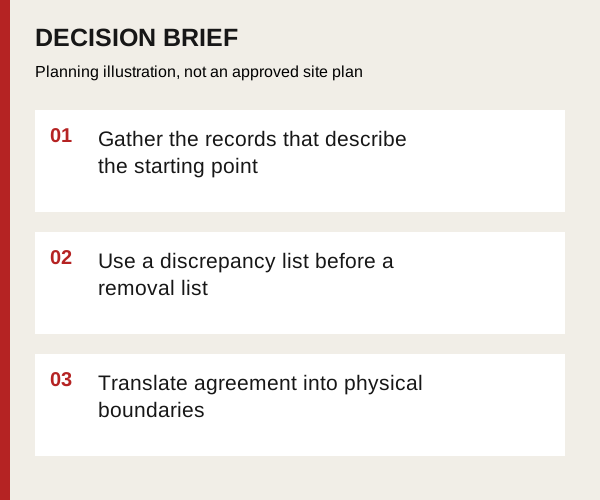
Gather the records that describe the starting point
Ask the owner or property manager for the relevant condition schedule, approved fit-out drawings, photographs and later alteration records. Note their dates and which parts of the unit they describe. An old image can establish a visible condition at that time, but may not show later changes or hidden services.
Keep lease interpretation with the parties and their advisers. CoreCut can price an agreed removal brief; a demolition contractor should not decide disputed obligations from a short phrase in a lease. This guide is about organising the scope evidence, not determining legal responsibility.
Use a discrepancy list before a removal list
For each disputed item, record the starting evidence, the present condition and the landlord's requested result. Examples might include a tenant-added partition, a ceiling grid shown on an old plan or equipment installed by a previous occupant. Mark the decision as unresolved until the authorised parties agree.
Do not convert an absence of records into permission to remove. Identify who can issue the final instruction and which drawing or schedule will carry it. That prevents an informal site conversation from overruling a retained-building requirement.
Translate agreement into physical boundaries
Once the target condition is settled, use the commercial tender schedule to specify the removals, retained elements and repair interfaces. Separate demolition from replacement finishes, service reinstatement and any final fit-out work.
At completion, use the agreed condition record for the handover punch list. New requests should be distinguishable from incomplete agreed work. No universal “white box” standard or guarantee of lease compliance is implied by a strip-out quotation.
Discuss this scope with CoreCut
For commercial strip-out, send the agreed target condition and flag any items still awaiting landlord or tenant direction.